
Originating in the late '30s on the shores of Myrtle Beach, Shag has gained such a following that it is now the Official State Dance of South Carolina. Over 15,000 Shaggers attend the Myrtle Beach "Spring Safari" in March, with an almost equal number showing up to dance at the September "Fall Migration". In the mid -1990s, there were more Shag Clubs in 4 states in the South than for any other type of swing dance club in the world.
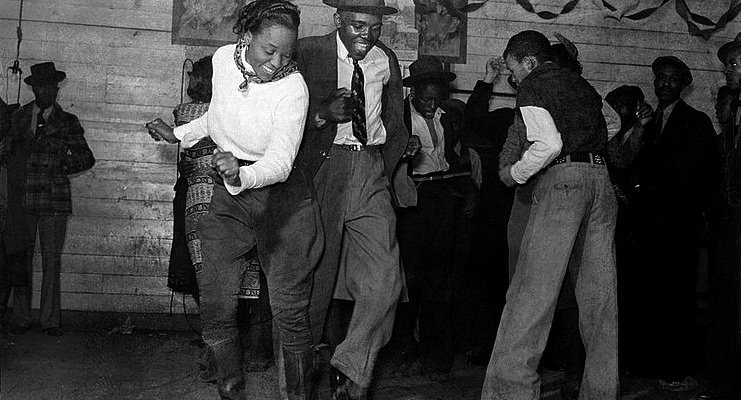
The roots of shag can be found in the cross-pollination of black music and club dancers in Myrtle Beach with the natural openness of a fun-loving and carefree group of '40s white teenagers. The racially myopic mainstream radio stations of the '40s South did not play black music. The kids had flock to the beaches to hear it on jukeboxes.
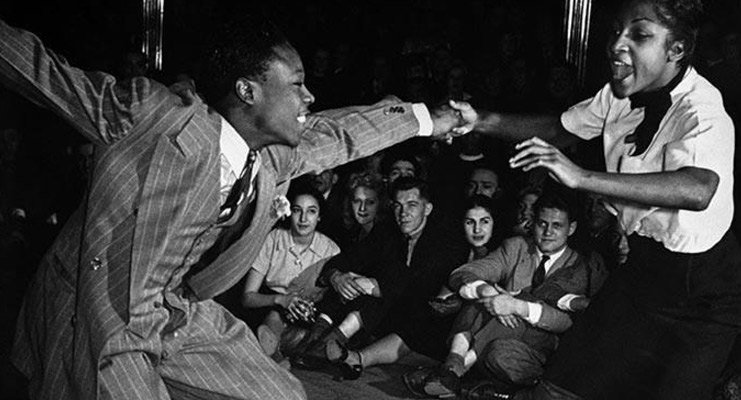
Certain individuals, such as Billy Jeffers (photo) and "Chicken" Hicks are credited with developing the early aspects of the dance. These teens attended black night clubs and were allowed to watch from the balcony. In an era of segragation, this was called "jumping the Jim Crow rope." They adapted what they saw and liked. They are also credited with initiating the "Beach Music" phenomenon, by convincing jukebox owners to put R&B into the playlist. In the '90s, numerous radio stations have Beach Music-only formats.
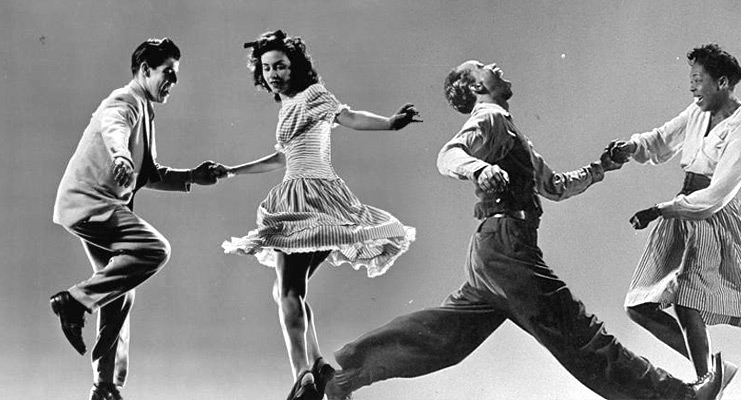
Lindy Hoppers are familiar with the "Big Apple" dance and perhaps with its derivative partner-ish dance the "Little Apple". Both of these were born at Fat Sam's Big Apple Club in Columbia, South Carolina. It then drifted up north to the Savoy Ballroom where it inspired the famous choreographer and performance dancer Frank Manning. Jazz affected the Southern style directly, although its Savoy transmutations also returned home to the South. Early Shaggers called themselves "Jitterbugs". The music was fast, and it was big band swing. The term "Shag" came about over a decade later. By the early '50s, Shag had slowed way down and adopted the tempo and feel of Rhythm and Blues as its own.
In the post-WWII era, with the close of the Savoy Ballroom and demise of the big bands, the Lindy Hop lost most of its USA popularity (resurfacing in the '90s). However, Carolina Shag in the South grew and grew...
Dancers: Billy Jeffers and Maggie Lunn Foss, Ocean Drive
c. 1940
(source: "SHAG," by Bo Bryan, Foundation Publications, 1996 - a fine & informative
book!)
Want more?
balboa
music
lindy music
salsa
shoes
swing
dance shoes
jumpswing